News Stories
Our Latest News
Here’s what we've been up to recently.
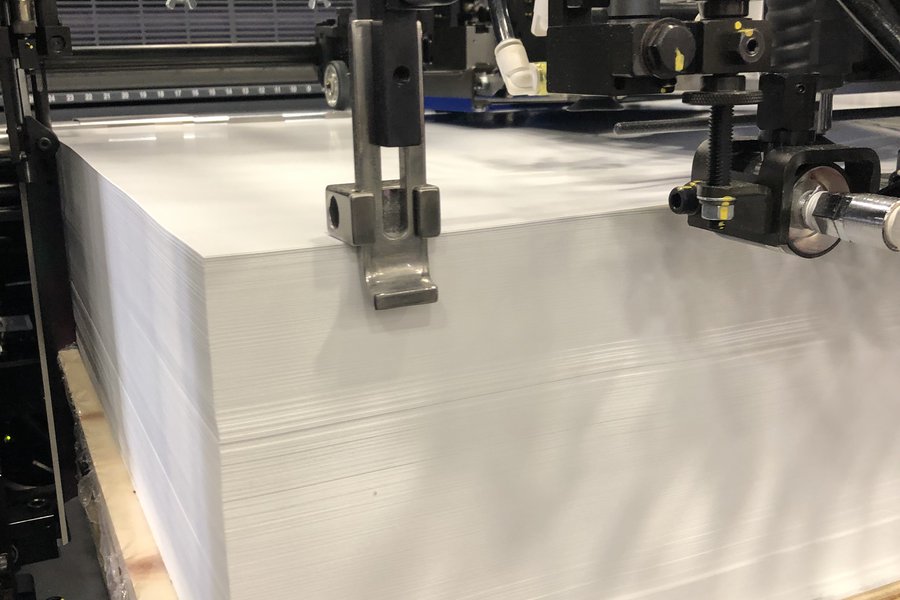
Why Does SBS Paperboard Work So Well for Printing?
When print quality matters, Solid Bleached Sulphate (SBS) paperboard is often a strong choice. Its clean white appearance, smooth surface and consistent construction make it well suited for applications where graphics, color reproduction and presentation are important.
But what makes SBS such an effective printing substrate?

Andrew L
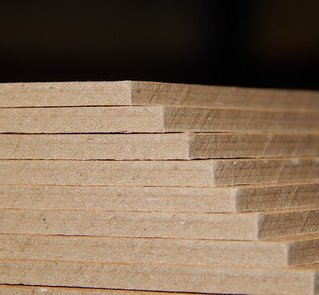
Pasted Chipboard: Why Laminate Multiple Plies of Board?
When a chipboard application requires additional thickness, the solution isn't always a thicker single sheet. At certain calipers, multiple sheets of chipboard are laminated—or pasted—together to achieve the required finished thickness.
This is the basic principle behind pasted chipboard.
Andrew L
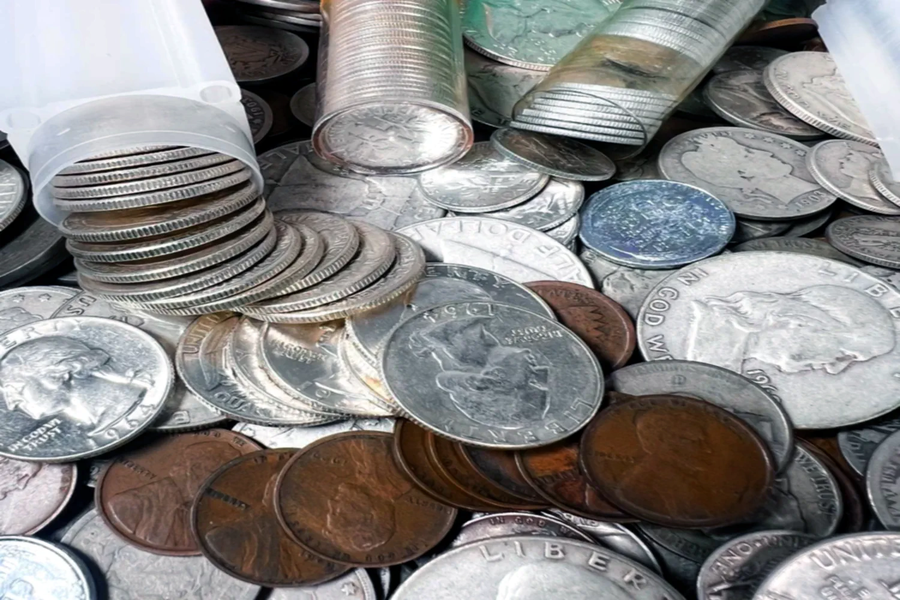
How Thick Is Paperboard? Caliper vs. U.S. Coins
Paperboard thickness is commonly measured in caliper, expressed in thousandths of an inch. One point equals .001", so a board measuring .060" thick is commonly referred to as 60-point board.
But what does .060" or .080" actually look and feel like?
Common U.S. coins provide an easy reference:
Lamitech Sales
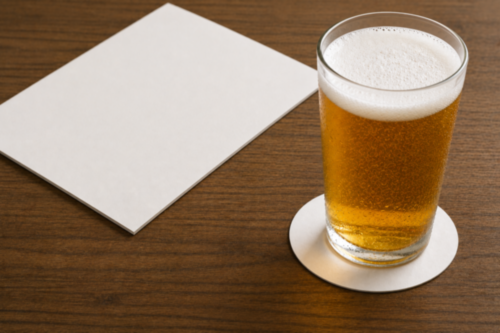

Flatness Isn’t Luck: Managing Curl and Warp in Paperboard (Especially in Winter)
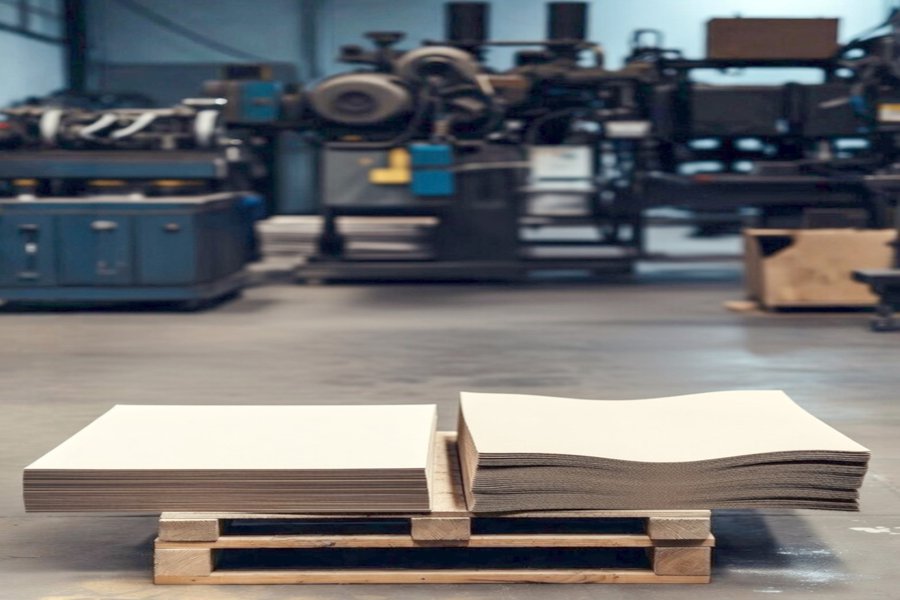
Paperboard buyers and converters run into this all the time: the spec is right, the caliper checks out, the sheets look fine at first, and then flatness issues show up on the floor. Curl. Warp. Edge lift. Waviness. “Potato-chipping.”
In many cases, the board isn’t “bad.”
Andrew L