read the full story
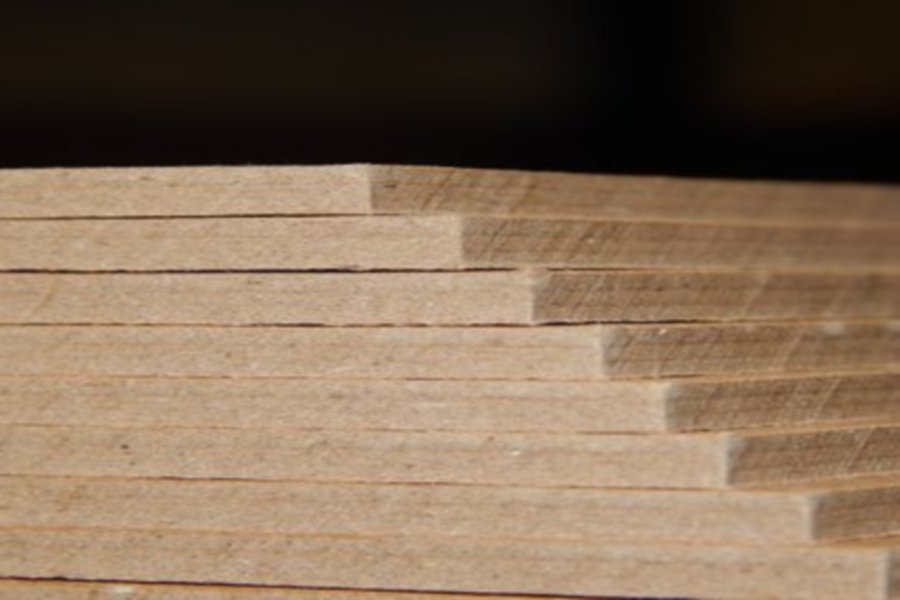
Why Is Chipboard Pasted Together?
Recycled chipboard can be manufactured in a range of single-ply calipers. In the U.S. market, approximately .060" is typically the upper range for single-ply chipboard. When an application requires greater thickness, two or more plies can be pasted together.
That's where the term pasted chipboard comes from.
Rather than being limited by the thickness of a single sheet, pasting allows heavier chipboard constructions to be produced for applications requiring additional thickness, rigidity and bulk.
How Is Pasted Chipboard Made?
Pasted chipboard is produced by applying adhesive between individual sheets of chipboard and laminating them together under controlled conditions. The individual plies become one heavier sheet that can then be converted to the required size.
For example:
| Individual Plies | Approximate Combined Thickness |
|---|---|
| 2 × .030" | .060" |
| 2 × .040" | .080" |
| 2 × .050" | .100" |
| 2 × .060" | .120" |
| 3 × .050" | .150" |
| 3 × .060" | .180" |
These are simplified examples. Actual finished caliper can vary based on the starting board, adhesive, laminating process and normal manufacturing tolerances.
Why Use Pasted Chipboard?
The primary reason is straightforward: to achieve thicknesses that aren't readily available as single-ply chipboard.
Pasted construction can also provide the additional rigidity, bulk and dimensional substance required for heavier applications.
Typical considerations include:
- Required finished caliper
- Finished sheet or component size
- Rigidity requirements
- Surface requirements
- Die-cutting or other converting requirements
- Quantity
- End use
Applications for Pasted Chipboard
Pasted chipboard can be used in applications where a heavier, more substantial board construction is required, including rigid packaging, setup boxes, displays, mounting, protective components, spacers, inserts and specialty converted products.
The appropriate construction depends on the finished application rather than thickness alone.
Start With the Finished Application
When specifying pasted chipboard, provide as much information about the finished product as possible.
The finished size, target caliper, quantity, required rigidity, surface requirements and converting requirements can all affect the recommended construction.
Lamitech can laminate multiple plies of chipboard to produce heavier custom constructions and convert the finished board to meet specific application requirements.
Need a Heavier Chipboard?
If your application requires chipboard beyond commonly available single-ply calipers, pasted chipboard may provide the thickness and construction you need.